
Considering window tinting for your car in Bellevue, WA? You likely have important questions: How much to tint car windows? What tint percentage is legal in Washington? Which option provides the best heat rejection? Many drivers choose a shade based purely on appearance, only to realize later that it is too dark or does not block enough heat.
TABLE OF CONTENTS
ToggleThis guide from OS Pro Auto Detailing explains car window tint cost in Bellevue, recommended tint percentages, Washington VLT laws, and how to choose the right STEK film for long-term performance.
Key Takeaways
- Window tint cost in Bellevue ranges from $199 to $1100, depending on vehicle type and STEK film selection.
- STEK offers three performance levels: Carbon (ACTIONseries), Nano Ceramic (SMARTseries), and Ceramic Graphene (NEXseries).
- Washington law requires at least 24% VLT on most passenger vehicle windows.
- Ceramic graphene provides the highest infrared heat rejection and long-term thermal performance.
- Professional installation includes precise fitting, legal VLT guidance, and a limited lifetime warranty.
What Does Each Tint Type Cost, And What Do You Get?
The film you choose determines both “how much to tint car windows” and what you’ll get. At OS Pro Auto Detailing, we install STEK carbon, nano ceramic, and ceramic graphene films, not basic dyed film. Your price depends on the performance level you choose.
Film Type | Package Name | 2 Door | 4 Door | SUV / Van |
Carbon | ACTIONseries | $199 | $399 | $499 |
Nano Ceramic | SMARTseries | $299 | $499 | $650 |
Ceramic Graphene | NEXseries | $499 | $799 | $1100 |
Carbon Film – ACTIONseries
Carbon film improves privacy and reduces heat compared to factory glass. This option fits drivers who want solid UV protection and a darker appearance at a lower price point.
Nano Ceramic Film – SMARTseries
Nano ceramic film increases infrared heat rejection and improves cabin insulation. It maintains clarity and does not interfere with electronics.
Ceramic Graphene Film – NEXseries
NEXseries ceramic graphene blocks up to 99% of UV rays and provides superior infrared heat rejection compared to carbon film. It provides stronger thermal control for daily drivers and vehicles parked outdoors in Bellevue.
How Much Does Each Window Cost To Tint?
Most customers choose full vehicle packages, but add-ons are available.
Add-On | ACTIONseries | SMARTseries | NEXseries |
2 Front Doors | $149 | $249 | $299 |
Front Windshield | — | $249 | $349 |
Sunroof | $149 | $169 | $199 |
Panoramic Sunroof | $299 | $339 | $399 |
Front Visor Strip | $79 | $89 | $99 |
Removal of old tint affects how much does window tinting cost, depending on vehicle size and film condition.
Why the price differences? Curved glass takes longer. Embedded defrosters need careful work. That big rear window requires one perfect cut and precise shaping, more labor and more material waste if something goes wrong.
Smart move: When comparing quotes, confirm whether shops charge per panel or offer a full-vehicle rate. Also, ask whether tint removal is included.
Why Do SUVs And Trucks Cost More Than Sedans?
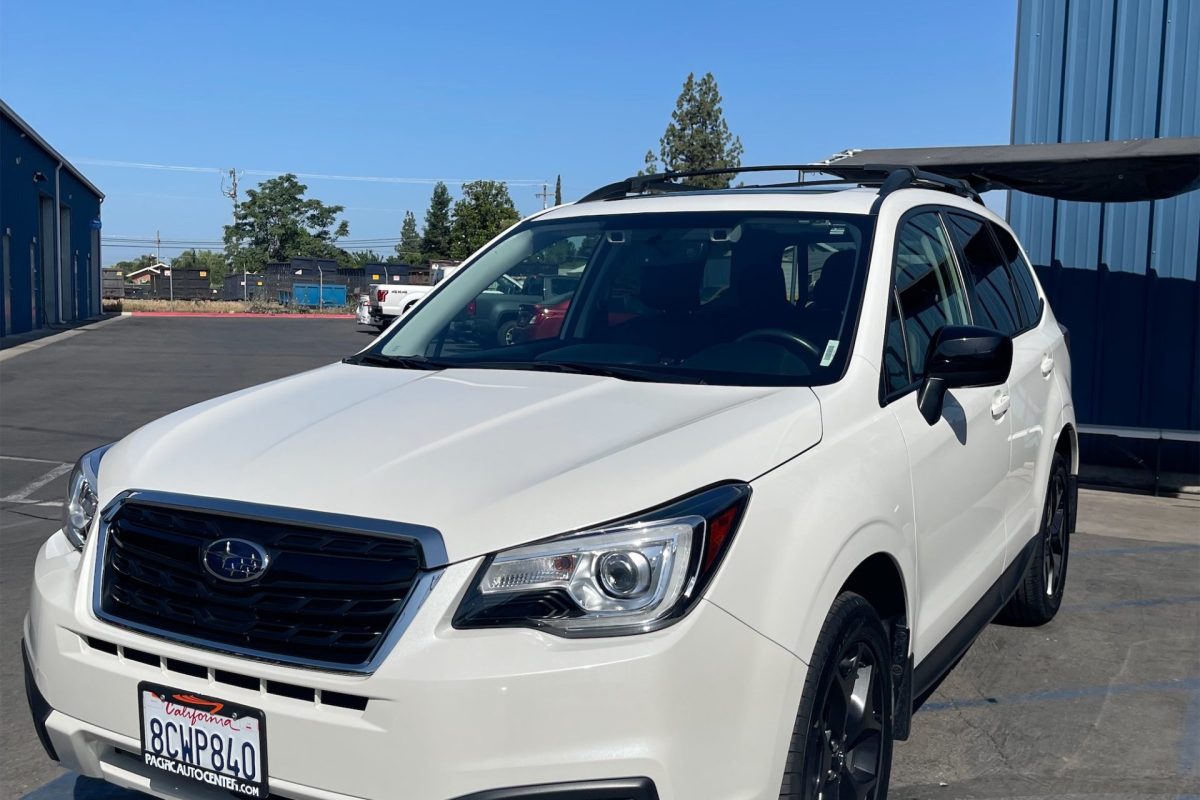
Your vehicle type directly affects window tint pricing because the glass surface area determines material usage and labor time.
In most cases, SUVs, trucks, and minivans cost more than a sedan when using the same STEK film model. Larger vehicles require more film, longer installation time, and additional shaping work.
Compact sedans remain the most affordable option. They have fewer windows, flatter glass surfaces, and faster installation times.
Several factors increase cost:
- A higher number of windows increases labor and material use
- Curved glass requires heat shrinking and precision shaping
- Glued-in rear windshields demand extra care
- Tight areas behind door frames slow installation
For example, a 4-door sedan with SMARTseries costs $499, while an SUV with the same film costs $650.
When comparing quotes, confirm whether pricing is calculated per panel or by vehicle type.
How Much Does Old Tint Removal Cost?
Old tint removal typically costs extra, depending on the condition and the number of windows. Removal becomes necessary when the film:
- Bubbles
- Peels
- Turns purple
- Leaves adhesive residue
Stubborn glue increases labor time. Damaged defroster lines raise risk. Ask for a separate removal estimate before installation.
OS Pro Auto Detailing includes a limited lifetime warranty on STEK films installed by our team. The warranty excludes accidental damage, misuse, or third-party installations.
Is DIY Window Tint Worth It?
Choosing between DIY and professional installation ultimately comes down to cost versus long-term quality and peace of mind.
Factor | DIY Kit | Professional Installation |
Cost | Low upfront | Higher upfront |
Film Quality | Limited access | Premium options available |
Installation Environment | Home setting | Controlled clean space |
Risk of Bubbles | High | Very low |
Warranty | None | Often lifetime |
Long-term reality: Professional films, especially carbon and ceramic, outlast and outperform DIY kits. DIY can work fine if you just want the look for a year or two, but for real heat rejection, UV protection, and durability, pro installation is the smarter bet.
Before you buy a DIY kit, think about: bad measurements, accidentally picking an illegal darkness level, possibly voiding a dealer warranty, adhesive that fails in a month, and having to pay someone to fix your mistakes. If budget is a concern, ask shops about payment plans or discounts before assuming DIY is actually cheaper.
How Long Does Tint Installation And Curing Take?
Knowing the timeline helps you plan your day and take care of your new tint properly.
- Installation Time: A full car usually takes 1 to 4 hours. Single windows or just the front doors? Maybe 30–45 minutes.
- Curing Time: Do not roll your windows down for 2 to 4 days. The adhesive needs time to set properly. Cold or humid weather can slow this down.
- How To Care For A New Tint: Skip the automatic car wash and keep your windows up during the cure period. Don’t scrape at the edges or pick at anything. Small bubbles or trapped dust might work themselves out, but if bubbles stick around, call your installer.
When you pick up your car, get written aftercare instructions, warranty details, and a contact number for problems. A good shop will help you through the first few days and stand behind their work.
What Is VLT And How Legal Limits Affect Your Tint Choices
VLT (Visible Light Transmission) is the percentage of light that comes through your window. Lower VLT equals a darker tint. You need to understand this because every state has rules about how dark you can go.
Laws are different for front windows, rear windows, and windshields. They also differ between sedans and SUVs because of factory privacy glass.
Here are Washington Window Tinting Laws (2026):
- Front side windows must allow at least 24% VLT
- Back side windows must allow at least 24% VLT
- Rear window must allow at least 24% VLT
- The windshield may only have a top visor strip
What you should do: Check your local law before you pick a darkness level. Ask your installer for documentation, either manufacturer specs or a meter reading, proving your VLT is legal. Keep proof in your vehicle in case law enforcement requests verification, and ask the shop to guarantee compliance.
Book Window Tinting Near Me Today
Protect your interior, reduce heat, and upgrade your car’s look. Contact OS Pro Auto Detailing today for a fast quote and professional STEK window tint installation in Bellevue, WA.
FAQs
How long does a car window tint last?
STEK carbon and nano ceramic typically last over 10 years. Ceramic graphene is designed for long-term durability and includes a limited lifetime warranty.
Does window tint reduce heat inside the car?
Yes. Nano ceramic and ceramic graphene films reduce infrared heat and improve cabin comfort.
Can I wash my car after getting window tint?
Yes, but wait 3 to 7 days before washing. Do not roll windows down during curing.
Will window tint affect GPS or phone signals?
No. STEK carbon, nano ceramic, and ceramic graphene films do not interfere with signals.
Can I get fined for illegal window tint?
Yes. Law enforcement may issue citations if your tint does not meet Washington VLT requirements.