Many drivers install window tint without fully understanding Washington state limits, which often leads to avoidable tickets, failed inspections, and unnecessary removal costs. Knowing these regulations helps vehicle owners stay compliant, protect visibility, and avoid enforcement issues. This guide from OS Pro Auto Detailing explains Washington window tint laws, VLT requirements, reflectivity limits, penalties, common violations, and clear compliance steps for vehicle owners.
TABLE OF CONTENTS
ToggleKey Takeaways
- Washington window tint laws set strict limits on tint darkness and reflectivity to protect visibility and traffic safety.
- Front side windows must allow at least 24% VLT on all vehicles, with stricter rules for sedans.
- SUVs and vans may use darker rear window tint, but front windows must remain compliant.
- Window reflectivity cannot exceed 35%, and mirrored or metallic films are illegal.
- Professional installation helps ensure legal VLT, certification, and enforcement safety, especially for window tint in Bellevue, WA.
What Is VLT In Window Tinting?
Visible Light Transmission or VLT percentage measures how much visible light passes through automotive glass and tint film. A higher VLT allows more light and results in a lighter appearance. A lower VLT blocks more light and creates darker windows. Washington tint law uses VLT thresholds to determine legal window tint by window position and vehicle classification.
Window Tint Darkness In Washington
Washington window tint laws require minimum light transmission on most vehicle windows. Legal window tint in Washington depends on both vehicle type and window location. The Washington tint laws focus on driver visibility through front side windows, rear side windows, and the rear windshield.
The front windshield only allows limited tinting. A dark tint across the entire windshield is not permitted under Washington state law.
Tint Rules For Sedans
Sedans and passenger cars must follow strict VLT limits across all side and rear windows.
- Front side windows must allow at least 24% VLT through the glass
- Rear side windows must allow at least 24% VLT
- Rear windshield must allow at least 24% VLT
- Front windshield tint is limited to the top 6 inches or the AS 1 line
These rules define legal window tint in WA for passenger vehicles. Darker tint below 24% is illegal on sedans without a medical exemption.
Tint Rules For SUVs And Vans
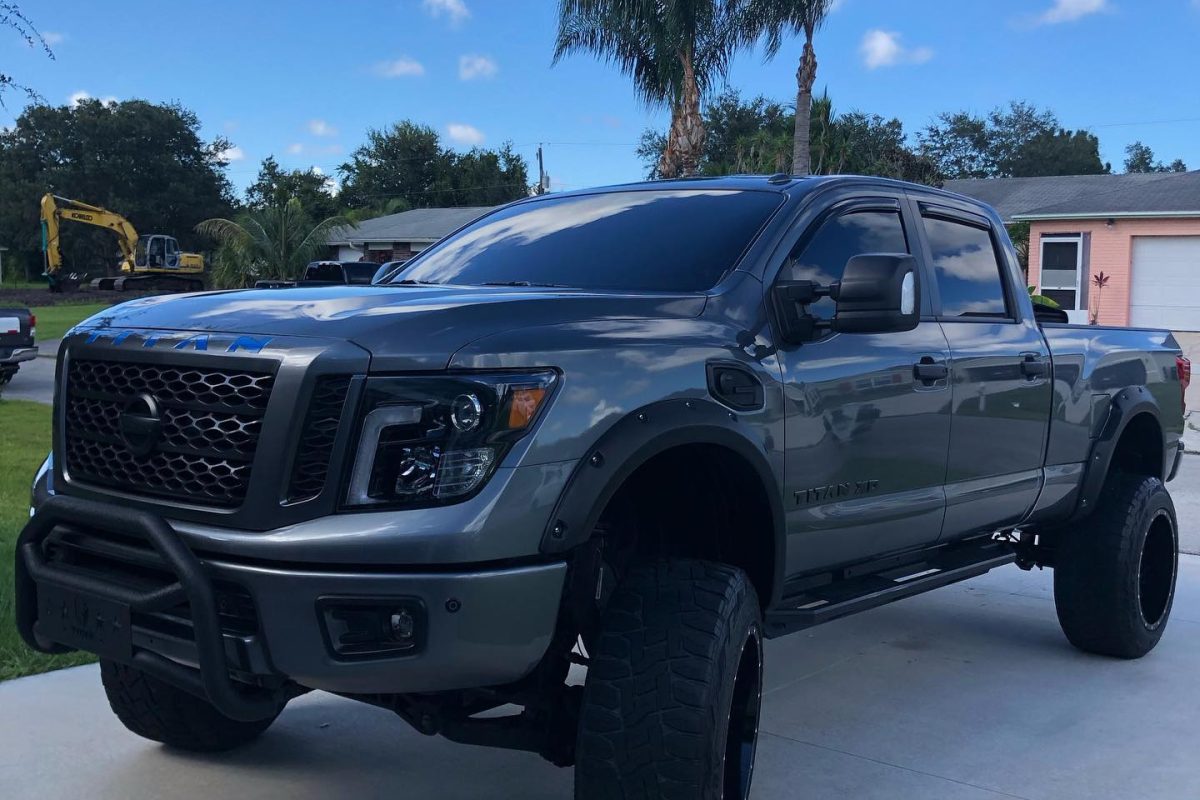
SUVs, vans, and trucks fall under the multi-purpose vehicle classification. Washington law allows more flexibility for rear windows.
- Front side windows must allow at least 24% VLT
- Rear side windows may use any darkness level
- The rear windshield may use any darkness level
- Dual side mirrors are required if the rear windows are tinted
This exception explains why factory privacy glass appears darker on SUVs. These allowances define legal window tint in Washington for larger vehicles.
Window Tint Reflection In Washington
Washington tint law also limits window reflectivity. Reflective and mirrored films reduce visibility and increase glare. The legal window tint in Washington state allows a maximum of 35% reflectivity on all tinted windows.
Reflectivity rules apply to sedans, SUVs, and vans equally. Mirror finish films and metallic reflective tint are not permitted.
Tint Reflectivity Rules For Sedans
Sedans must follow uniform reflection limits.
- Front side windows maximum 35% reflectivity
- Rear side windows maximum 35% reflectivity
- Rear windshield maximum 35% reflectivity
These reflectivity limits support driver visibility, law enforcement safety, and road glare reduction.
Tint Reflectivity Rules For SUVs And Vans
SUVs and vans share the same reflectivity requirements.
- Front windows limited to 35% reflectivity
- Rear windows limited to 35% reflectivity
Even when a darker tint is allowed, reflective films remain restricted under the window tint law.
Other Window Tint Rules And Restrictions
Washington window tinting laws include additional compliance rules.
- Red tint is prohibited
- Yellow tint is prohibited
- Gold tint is prohibited
- Full black tint color is prohibited
- Only one tint film layer per window is allowed
- A certification sticker is required from the installer
- Medical exemptions require physician documentation
These conditions shape legal tint in Washington beyond VLT numbers alone.
Penalties For Illegal Window Tint In Washington
Illegal window tint is a traffic infraction in Washington. Enforcement occurs during traffic stops or vehicle inspections. Violations of window tinting laws can result in fines and corrective action.
Typical penalties include:
- Fines are around 124 dollars per violation
- Fix the notices requiring tint removal
- Repeat citations for non-compliance
Persistent violations increase enforcement scrutiny and inspection risk.
How To Check If Your Tint Is Legal In Washington
Drivers often misjudge tint darkness by appearance alone. Accurate verification requires measurement tools.
- VLT meters provide precise light transmission readings
- Professional tint shops verify compliance during installation
- Factory glass and aftermarket film are measured together
Visual inspection alone does not determine Washington State tinted windows law compliance.
Why Professional Tint Installation Matters
Professional installation ensures accurate VLT matching, legal documentation, and long-term durability. Licensed shops understand the Washington State window tint law and select compliant film combinations.
Benefits include:
- Certified compliance stickers
- Warranty-backed tint film
- Accurate VLT measurement
- Reduced enforcement risk
Professional installation protects both vehicle value and legal status.
Window Tint In Bellevue, WA – Book Your Legal Install Today
Seeking legal window tinting in Bellevue, WA? OS Pro Auto Detailing provides compliant window tinting services that follow the Washington tint limits. Our installation process focuses on proper VLT selection, precise application, and long-term durability. Book our mobile tinting service today for safe, compliant, and professional results.
FAQs
What is the darkest legal tint in Washington?
Sedans require 24% VLT on all sides and rear windows. SUVs and vans allow darker rear window tint but still require 24% VLT on front side windows.
Is a 20% tint legal in Washington?
A twenty percent tint is illegal on front side windows for all vehicles. A twenty percent tint may be legal on the rear windows of SUVs and vans only.
Can I tint my front windshield in Washington?
Washington allows tint only on the top 6 inches of the windshield or to the AS 1 line. Full windshield tint is not permitted.
How do police check window tint in Washington?
Law enforcement uses handheld VLT meters during traffic stops. Officers may also issue inspection orders for suspected violations.
Is ceramic tint better than regular tint?
Ceramic tint blocks infrared heat and ultraviolet radiation without requiring darker VLT levels. Ceramic film improves comfort while supporting legal Washington window tint compliance.